
Sep
07

In today’s fast-paced healthcare world, it’s not enough to just keep up—you need to stay ahead. Whether you’re a nurse, paramedic, or physician, keeping your emergency credentials current is more than a formality. Advanced Cardiovascular Life Support (ACLS) certification is one of the most respected qualifications in healthcare, and staying on top of it shows you’re serious about your skills, your patients, and your career. If you’re wondering whether it’s worth it to renew your ACLS, the answer is yes—and here’s why it matters more than ever.
Staying Relevant With ACLS Recertification
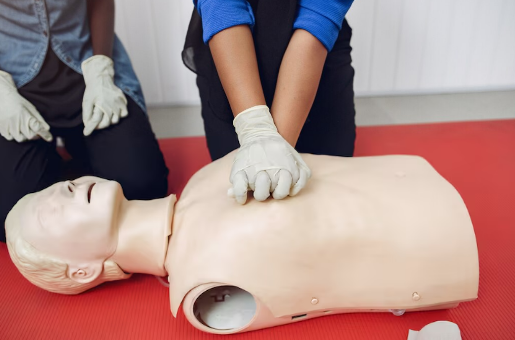
When employers scan resumes or review internal staff, credentials matter. ACLS recertification signals that you’re actively maintaining critical life-saving skills and staying current with the latest emergency care protocols. Many hospitals, clinics, and urgent care centres won’t even consider applicants without a valid ACLS card—especially for roles involving direct patient care in acute or high-risk settings. By keeping your acls recertification up to date, you remain competitive and ready for advancement or new opportunities when they come along.
Meeting Job Requirements Without Scrambling
We’ve all been there—an opportunity pops up, and the deadline is tight. Nothing’s worse than realizing your certification expired months ago just when you’re ready to apply for that dream job or promotion. Having your ACLS renewed and ready to go means you’re always prepared, whether it’s a new hospital system, a travel nursing gig, or a last-minute shift in the ICU. Staying proactive avoids those last-minute scrambles that add unnecessary stress to your job search.
Reinforcing Life-Saving Skills
Beyond the paper certificate, ACLS renewal is a powerful way to refresh vital clinical knowledge. You might think you remember all the protocols, but guidelines shift over time—and regular recertification keeps you aligned with the most up-to-date practices. From new medication recommendations to improved team dynamics during a code, the material evolves. That means you’re not just maintaining status—you’re improving your patient care every time you renew.
Boosting Your Confidence in Emergencies

Emergencies are unpredictable, but your response doesn’t have to be. Regular ACLS training keeps those crucial skills sharp, so you can act quickly and decisively when it counts. Whether you’re running code or supporting a team during a cardiac arrest, feeling confident in your knowledge can make a major difference in outcomes. Recertification gives you the chance to revisit challenging scenarios and mentally rehearse your role, helping you stay cool under pressure.
Showing Commitment to Professional Growth
Healthcare employers are always on the lookout for providers who take initiative. Renewing your ACLS before it expires sends a clear message: you’re dedicated, dependable, and serious about staying current. It also shows you’re someone who goes the extra mile to be prepared—not just when you’re told to, but because you care about your practice and your patients. That kind of professionalism is noticed—and often rewarded.
Making a Smooth Transition Between Roles
If you’re planning a career change or even just a departmental shift, a current ACLS card can make the transition seamless. Whether you’re moving into a trauma unit, pre-hospital care, or critical care transport, your up-to-date training speaks for itself. In many cases, onboarding and orientation will be quicker when certifications are already in place, giving you a head start and a strong first impression.
ACLS recertification isn’t just a checkbox—it’s an investment in your …